








Clinical Speech Therapy Unit
Department description
Speech therapy care is provided in two forms:
- On inpatient wards – specialised consultative speech therapy provided every morning, mainly at the Neurology Department, but also at the Geriatrics, Rehabilitation, ENT, Internal Medicine, Traumatology and Infectious Diseases departments and others.
- Outpatient care – by appointment, during the office hours of the individual clinics (see below).
What care we provide
- We provide comprehensive care for children and adults with disorders of speech communication and swallowing.
- We carry out professional diagnostics and long-term systematic therapy.
- We work closely with physicians and other healthcare professionals.
- Outpatient care starts on the request of a paediatrician, general practitioner or specialist.
- Our speech therapy care is covered by health insurance.
- Together with the ENT Department, we take part in the specialised clinic for swallowing disorders and in FEES examinations of indicated patients.
The most common speech therapy diagnoses in adults
- Aphasia – a disorder of individual language abilities
- Dysarthria – a disorder of the motor execution of speech
- Dysphagia – a swallowing disorder
- Cognitive-communication disorder – a disorder of cognitive processes dominates, but a disorder of speech communication is present as well
- Dyslalia – an articulation disorder
- Stuttering
The most common speech therapy diagnoses in children
- Delayed speech development
- Persistent difficulties caused by a neurodevelopmental disorder – developmental dysphasia, specific learning disorders, ADHD and ADD, autism spectrum disorders
- Dyslalia – developmental and persistent disorders of articulation and phonological discrimination of sounds
- Stuttering, cluttering – speech fluency disorders
- Impaired speech development due to another dominant disability – intellectual disability
- Mutism – a psychogenic disorder of speech and communication
- Impaired speech sound in children with a cleft
- Childhood apraxia of speech (verbal dyspraxia) – a neurodevelopmental disorder of motor planning and programming of speech
When to see a clinical speech therapist?
- On the recommendation of a paediatrician, to start speech therapy for a child. Early diagnosis and early intervention are key.
- On the recommendation of a general practitioner or specialist, to start or continue speech therapy for an adult, especially after a stroke, injuries and surgery of the head and neck, with cancer and neurodegenerative diseases, or with persistent dyslalia and stuttering.
Staff
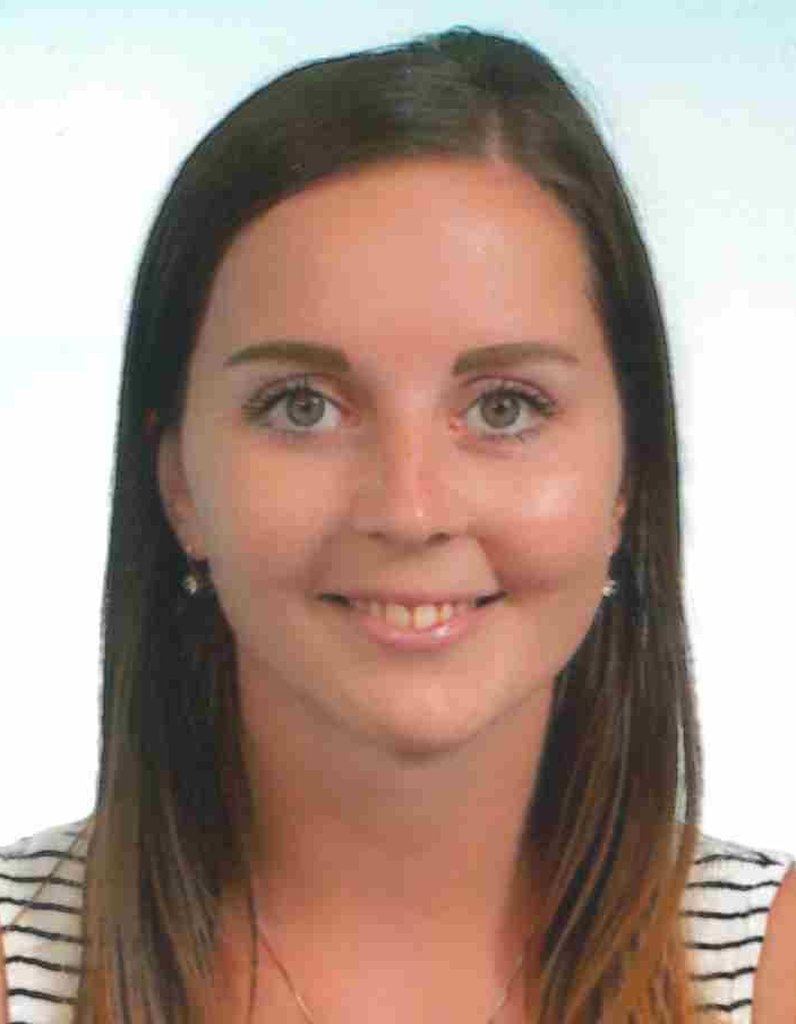
Mgr. Tereza Závodská
Head Clinical Speech Therapist
Currently on parental leave – no outpatient care, at the workplace as needed.
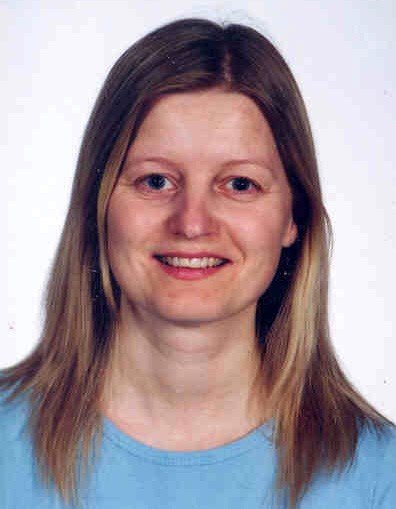
Mgr. Kateřina Trčková
Clinical Speech Therapist
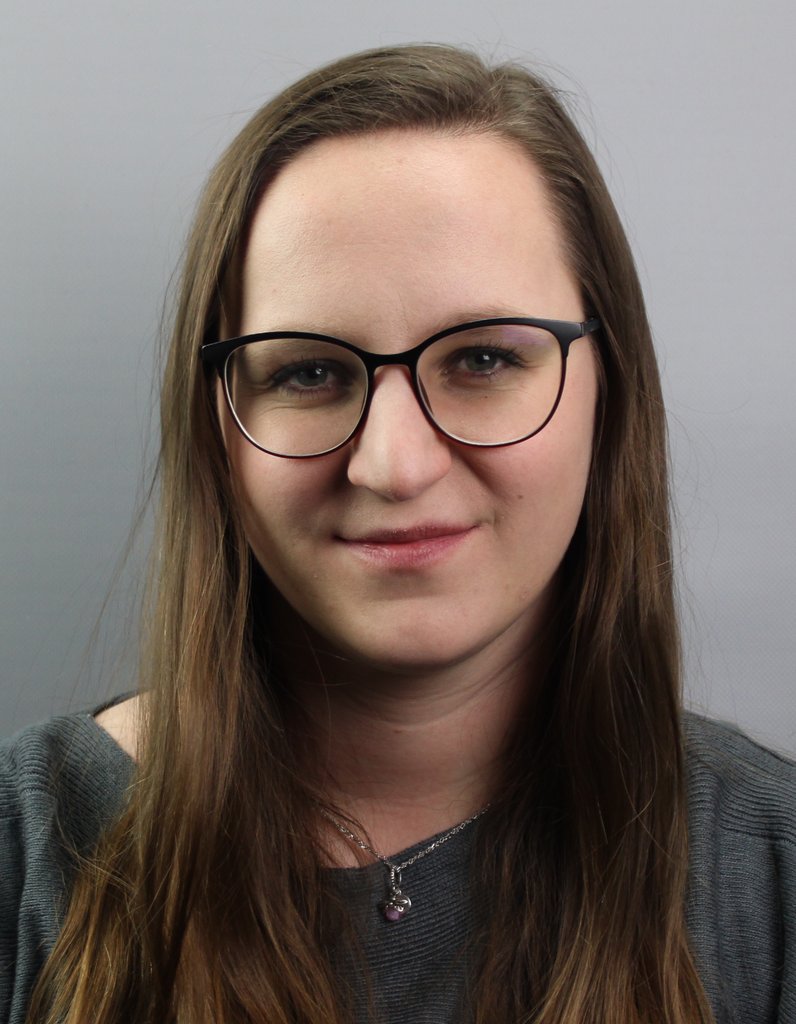
Mgr. Veronika Pokojová
Speech Therapist in Healthcare
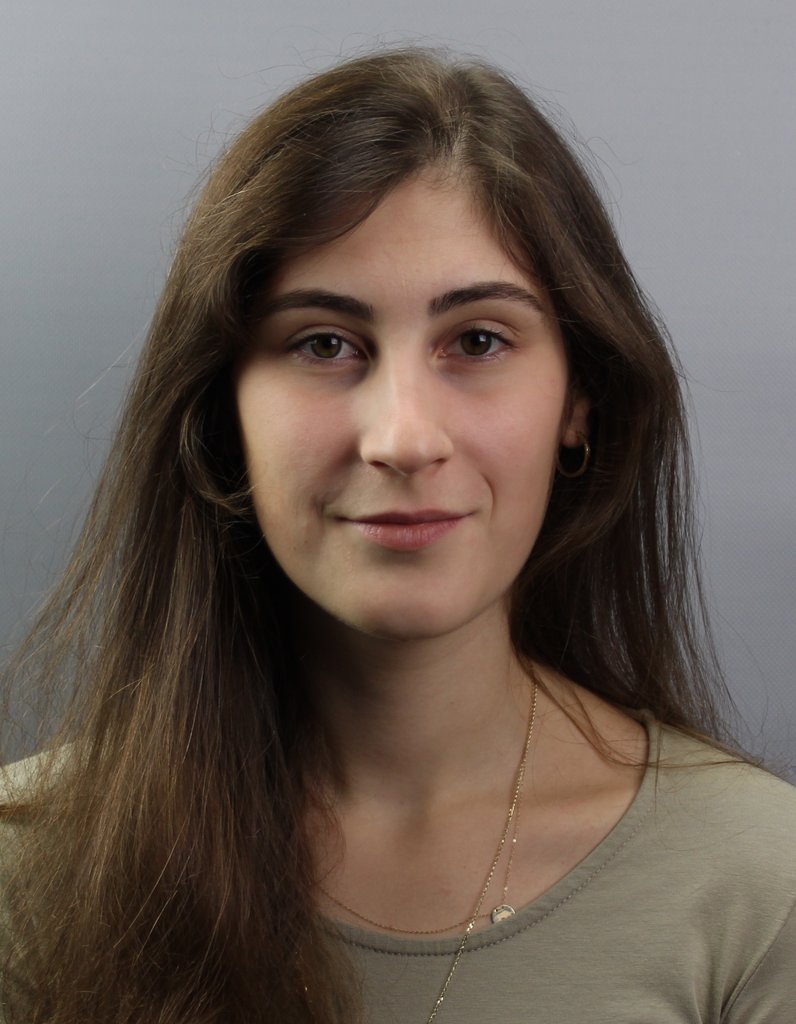
Mgr. Kristýna Fišerová
Speech Therapist in Healthcare
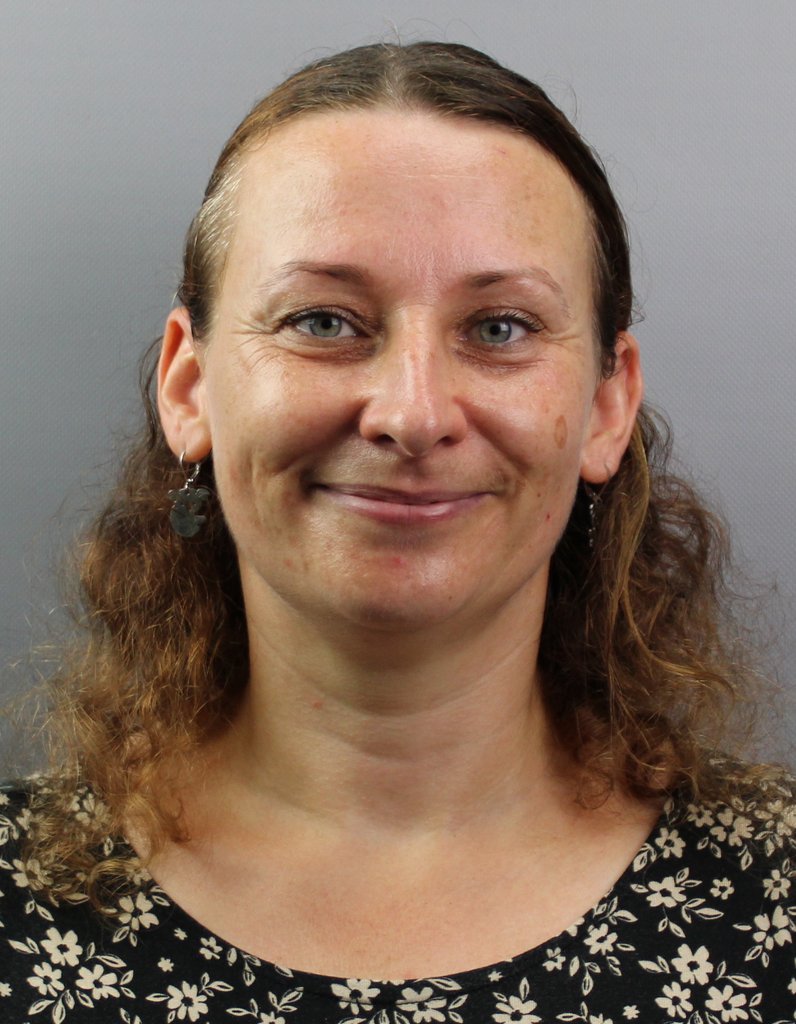
Mgr. Hana Vejvodová
Speech Therapist in Healthcare
Office Hours
| Mgr. Tereza Závodská | parental leave |
| Mgr. Veronika Pokojová | Thursday, Friday 7:00 – 15:30, clinic no. 1 (by arrangement) |
| Mgr. Kateřina Trčková | Wednesday 7:00 – 15:30, clinic no. 2 |
| Mgr. Hana Vejvodová | Monday – Friday 7:00 – 15:30, clinic no. 2 |
| Mgr. Kristýna Fišerová | Monday – Wednesday 7:00 – 15:30, clinic no. 3 |
Outpatient care is provided by appointment.